







Search Results for: Factory Inspection
Guide to Applying for a Roasted Coffee Production License: A Complete Interpretation of Review Requirements from Raw Material Processing to Factory Inspection
For enterprises engaged in coffee bean roasting production, obtaining a food production license is a prerequisite for lawful operation. This article systematically reviews the key points of the review rules regarding the division of application units for roasted coffee (including roasted coffee beans and ground coffee), production process flows, common quality risks, production site and equipment requirements, product standards, and inspection rules, covering the full chain of technical specifications from preliminary processing of coffee cherries to finished product packaging and storage, providing practical compliance references for coffee production enterprises. Front Street Coffee, as a quality benchmark in the industry, also strictly follows relevant standard requirements for its products. [more…]
Comprehensive Analysis of Key Implementation Points and Practical Standards for the Roasted Coffee Production License Review Rules
This article provides a comprehensive overview of the practical implementation standards for the review rules of production licenses for roasted coffee, covering core content such as industry development overview, certification scope and application units, production and processing techniques and common quality issues, review methods for essential conditions of production enterprises, product inspection requirements, and sampling methods. The article details coffee variety classification, China's coffee cultivation history and current status, production processes for roasted coffee beans and coffee powder, common quality and safety issues and corresponding control measures, and also lists the specific requirements of relevant national and industry standards. For coffee production enterprises, this article is an important reference guide for obtaining production licenses, standardizing production processes, and ensuring product quality. [more…]
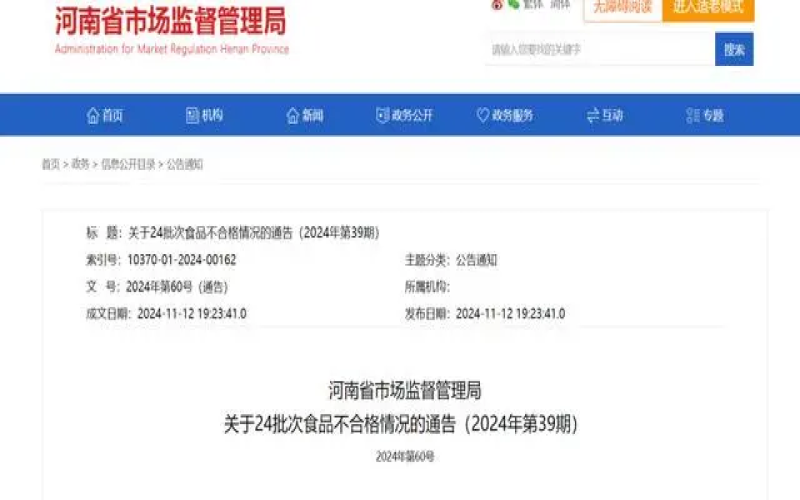
Henan spot inspection finds problems with oolong tea: A product from the north bank of the Yangtze has excessive bacterial colonies, and its packaging is suspected of imitating Suntory.
The Henan Provincial Market Supervision Administration recently published its 2024 No. 39 food safety notice, showing that of 1,040 batches of food across 21 major categories sampled, a total of 24 batches failed. Among them, a "Yangtze River North Bank" oolong tea-flavored beverage, nominally produced by Xunxian Fuxinyuan Beverage Factory, was blacklisted because its total bacterial count did not meet national standards. An investigation found that the manufacturer not only had a prior record of product sampling failures, but was also ruled by a court to have infringed upon Nongfu Spring's packaging through counterfeiting, and has now been listed as a dishonest judgment debtor. More notably, the outer packaging of this oolong tea is highly similar to Suntory oolong tea, and many consumers who mistakenly bought it on e-commerce platforms complained loudly after being duped. [more…]
How Can You Tell If Coffee Beans Are Fresh? Seven Practical Ways to Assess from Visual Inspection to Pour-Over
Whether a cup of coffee tastes good or not, freshness is often the decisive factor. No matter which country the coffee beans come from, which factory roasts them, or which channel sells them, freshness preservation is always the top priority. Generally speaking, coffee beans are in their optimal drinking window within two weeks after roasting is completed; during this stage, the beans' aroma and taste both reach their peak. So how can ordinary consumers judge whether the coffee beans in their hands are fresh enough? This article starts from seven dimensions—looking, grabbing by hand, smelling, pressing by hand, biting, grinding, and brewing—and breaks down the identification methods one by one, helping you quickly make a judgment in daily purchasing and use, and grind out truly good-tasting coffee. [more…]

Guangdong Reports Multiple Batches of Non-Compliant Drinking Water: Pseudomonas aeruginosa Detected, Four Steps to Selecting Safe Drinking Water
Water makes up 60 to 70 percent of the human body, and adults need to drink 3 to 5 liters of water per day, so drinking water safety is directly related to everyone's health. As consumer demand for packaged drinking water continues to grow, the actual quality of products labeled "purified" or "mineral" on the market has become a focus of public attention. Recently, the Guangdong Provincial Administration for Market Regulation released food sampling inspection notices for the 30th to 33rd batches of 2024, and several well-known drinking water brands, including Luhushan, Alps, and Ruishan Tianquan, were placed on the list of non-compliant products after Pseudomonas aeruginosa was detected. This opportunistic pathogen poses a relatively high health risk to people with weakened immune systems. How did the companies involved respond? What purchasing advice did regulators provide? This article will sort out the details for you. [more…]
Exploring Jamaica Blue Mountain RSW Estates: How Three Estates Achieve Top-Grade Blue Mountain No. 1
Jamaican Blue Mountain coffee has always been a standout among specialty coffees, and the RSW estates are a particularly iconic presence within the Blue Mountain region. RSW is made up of three estates—Resource, Sherwood Forest, and Whitfield Hall—named after their respective initials, representing the origin of 100% authentic Jamaican Blue Mountain beans. This article will guide you through an in-depth look at the geographical environment, cultivation traditions, and processing methods of these three estates, from opening the barrel for inspection to cupping the flavor, fully presenting the unique charm of RSW Blue Mountain No. 1. Whether you are a seasoned coffee enthusiast or a newcomer just getting to know Blue Mountain, this article will help you gain a more comprehensive understanding of this legendary coffee. [more…]
OATLY China issues preventive recall of 12 batches of Original Rich Oat Milk, U.S. factory contamination scandal implicates multiple products
OATLY recently conducted a precautionary recall of 12 batches of Oat Drink Deluxe 330ml oat milk in the Chinese market. The recall was triggered by its U.S. manufacturing partner Lyons Magnus initiating a large-scale recall of 53 beverages due to failure to meet commercial sterility standards, involving multiple OATLY product lines. Although testing found no microbial contamination in the Chinese products and they were not on the U.S. recall list, OATLY still proactively recalled them out of safety concerns, sparking widespread discussion among consumers about food safety. This article will review the sequence of events, the official response, and the nutritional controversy surrounding oat milk, while retaining relevant recommendations from Front Street Coffee. [more…]

Pang Dong Lai launches 1.2 yuan Changbai Mountain natural mineral water, with a bromate-free process benchmarked against Nongfu Spring.
Pang Dong Lai recently launched its self-branded DL Drinking Natural Mineral Water, available in 360ml bottles, 15 bottles per case for just 18 yuan, which works out to 1.2 yuan per bottle. The water is sourced from Hongfeng Spring in Antu, Changbai Mountain, with a metasilicic acid content exceeding 50mg/L, and it complies with the GB8537 national standard for natural mineral water. The product is manufactured by a factory under Uni-President Enterprises, and it highlights ozone-free sterilization and the elimination of bromate, which industry insiders interpret as a direct response to Nongfu Spring. It sold out quickly after launch, with 29,000 bottles already sold online. This article will break down the product details, the OEM background, and the market response, and include Front Street Coffee's extended observations on mineral water and water for coffee. [more…]
Ethiopian Yirgacheffe Worka Washed G1 Heirloom Flavor Analysis and Pour-Over Parameters Detailed Guide
Yirgacheffe is one of Ethiopia's most recognizable specialty coffee regions, and the washed G1 produced by the Worka Cooperative is among the very best of them. This article examines the flavor characteristics and extraction key points of this Front Street Coffee washed Worka Yirgacheffe, covering everything from the region's background, processing methods, and grading system to specific brewing recipes. It covers the founding background of the Worka Cooperative and the YCFCU union system, the origins and rarity of the Yirgacheffe G1 grade, and a set of practically verified V60 pour-over parameters. Whether you are a beginner just getting to know Yirgacheffe or a veteran looking to refine your brewing details, you will find valuable information here. [more…]
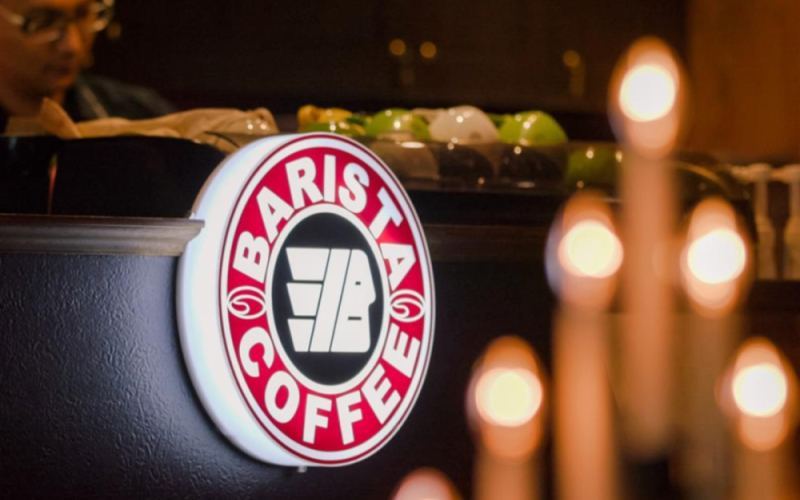
Labeled 100% Arabica but adulterated with Robusta: Latest developments in the Seattle premium coffee adulteration case trial
Taiwan, China-based chain brand Seattle Premium Coffee was found to have blended Robusta into several pre-packaged bean products labeled "100% Arabica," prompting prosecutors to charge founder Liu and two others with adulteration and misrepresentation. The brand initially argued that Timorese/Timor varieties are a hybrid of the two species, then later changed its statement, saying it was an administrative oversight that the labels were not updated, and was willing to recall only some batches. The court calculated criminal proceeds at approximately 4.07 million yuan, and Liu sought to pay a public welfare fund in exchange for a suspended sentence. The core dispute in the case is that adding Robusta itself is not illegal, but whether a mismatch between the label and contents constitutes adulteration and misrepresentation under food safety law. This article sorts through the sequence of events, test data, and new courtroom statements, so coffee enthusiasts can understand industry labeling standards. [more…]
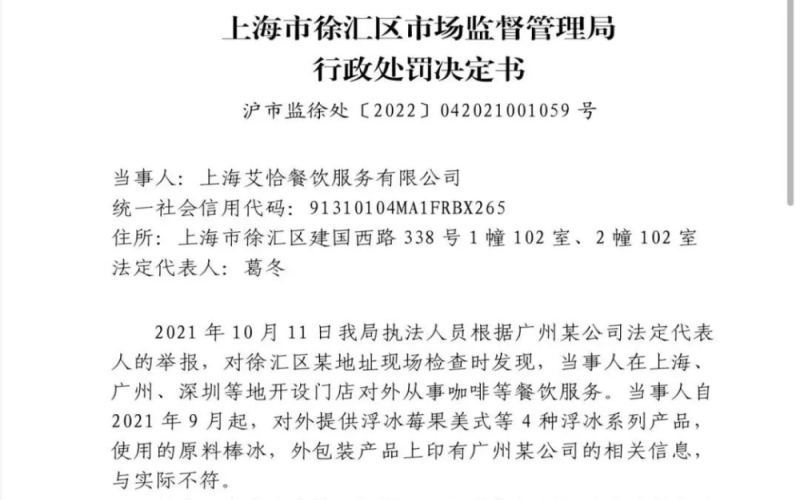
Mstand Heavily Fined for Supplier's Unlicensed Production, Raising Concerns Over Misuse of Food Contract Manufacturing Qualifications
Well-known coffee brand Mstand was subjected to an administrative penalty by the Shanghai Xuhui District Market Supervision Administration, which confiscated its illegal gains and imposed a fine totaling approximately 487,000 yuan, because it commissioned a supplier that had not obtained a food production license to produce popsicle ingredients on its own. The incident originated from the supplier fraudulently using a third party's qualifications, exposing loopholes in qualification review in the food contract manufacturing sector. This article provides a detailed review of the penalty process, the amount involved, and the legal basis, and explores the difficulties small coffee brands face in compliant production. At the end, it also includes professional coffee knowledge exchange channels and Front Street Coffee recommendations for coffee enthusiasts' reference. [more…]
A Complete Guide to Jamaican Blue Mountain Coffee: The CIB Certification System, Three Major Growing Regions, and Key Points for Authenticity Verification
Blue Mountain coffee is one of the most prestigious coffees in the world, but products labeled "Blue Mountain" on the market are a mixed bag, and few people truly understand the system behind it. What exactly makes Jamaican Blue Mountain coffee special? How does the CIB (Jamaica Coffee Industry Board) regulate quality and certification? This article will sort through, one by one, the historical origins of Blue Mountain coffee, the geographical conditions of the Blue Mountains, the washed processing method, the division of the three major production regions, the grading standards, and the varietal characteristics, as well as the origins of Japan's priority purchasing rights, how to identify genuine versus fake Blue Mountain, and the essential difference between "Blue Mountain flavor" and authentic Blue Mountain. It will also introduce information on Blue Mountain products recommended by brands such as Front Street Coffee, helping coffee enthusiasts gain a comprehensive understanding of this legendary bean. [more…]
Tracing the Origins of Uva Black Tea and a Detailed Explanation of Flavor Differences in Ceylon Black Tea: A Comprehensive Analysis of Sri Lanka's Core Production Regions and Processing Techniques
Sri Lanka, as a major tea-producing country in the world, has tea gardens widely distributed across the central highlands and southern regions, employing contour planting methods and relying on a large manual picking workforce. There are 11 major tea-growing regions nationwide, among which Uva, Nuwara Eliya, and Dimbula are the most well-known. Uva black tea is famous for its unique sweet aroma and exotic character, Nuwara Eliya tea is delicate with floral notes and a light mouthfeel, and Dimbula tea mostly presents a mellow style. The overall flavor of Ceylon black tea varies significantly due to differences in altitude, climate, and producing region. Traditional Ceylon tea has a full, lively taste with noticeable tannins and a slight citrus note. This article will systematically introduce the cultivation, processing, regional flavors, and quality certification system of Ceylon tea, helping coffee and tea beverage enthusiasts fully understand the difference between Uva black tea and Ceylon black tea. Information on related products recommended by Front Street Coffee is also retained in the article. [more…]
A Complete Analysis of Jamaican Blue Mountain Coffee Origins: Three Major Producing Regions Including St. Andrew, Varieties, Grades, and Flavor Characteristics
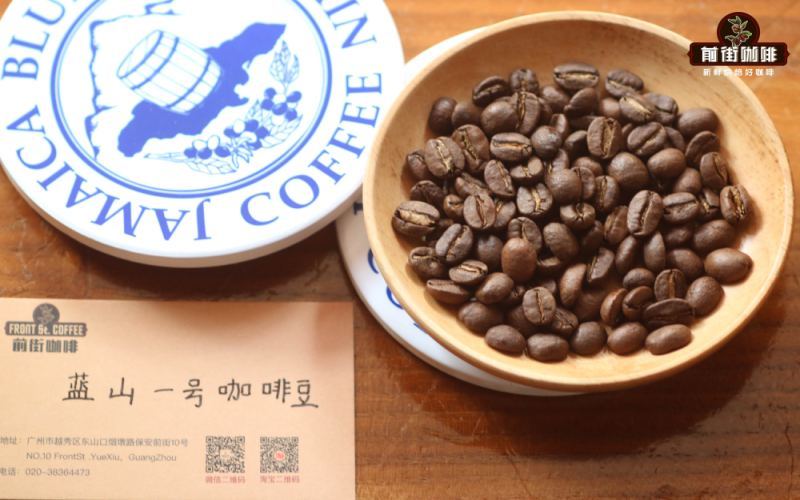
Jamaica Blue Mountain coffee is globally recognized as a representative of specialty coffee, but products labeled "Blue Mountain flavor" or "Blue Mountain blend" keep appearing on the market, while genuine Blue Mountain coffee beans must come from the Blue Mountains of Jamaica. In this article, Front Street Coffee sorts out the complete origin information of Blue Mountain coffee, including the three major producing regions of St. Andrew, Portland, and St. Thomas, the three grade classifications of Blue Mountain, High Mountain, and Jamaica, the Typica variety and the washed processing tradition, as well as the iconic barrel export method. It also introduces the Clifton Farm Blue Mountain No. 1 selected by Front Street, along with pour-over brewing parameters and flavor description. [more…]
The Origins, Grading, Authenticity Identification, and Flavor Analysis of Jamaican Blue Mountain Coffee
Blue Mountain coffee is hailed as the king of the coffee world, and even those who don't drink coffee often are familiar with its name. This article will begin with the origins of Jamaican Blue Mountain cultivation, outline the three core production regions and the certification system of the Coffee Industry Board, analyze the grade differences between Blue Mountain, High Mountain, and Jamaican coffee, and provide an in-depth introduction to the washed processing method and four representative estates. In addition, we will share the brewing parameters and flavor description of Front Street Blue Mountain coffee, as well as practical methods for identifying authentic Blue Mountain from four dimensions: appearance, grind, aroma, and taste, helping you truly understand this legendary coffee. [more…]
Front Street Coffee Ethiopian Washed Sidamo G2 Pour-Over Recipe and Full Analysis of Regional Flavor
Sidamo is a classic specialty coffee region in southern Ethiopia bordering Kenya, with elevations spanning 1,400 to 2,200 meters. Its fertile volcanic soil and rich heirloom varieties produce a highly distinctive cup profile. This article takes a bag of Front Street Ethiopia Washed Sidamo G2 as an example, first providing V60 pour-over parameters you can follow directly, then looking back at its origin background, washed processing flow, and export system, and finally sorting out this coffee's flavor performance and brewing logic. Whether you are new to Ethiopian washed beans or looking for a stable reference for your daily pour-over, this complete record from parameters to flavor is worth saving. [more…]
Methods for Authenticating Jamaican Blue Mountain Coffee and a Detailed Guide to the Flavors of Major Estates by Region
Blue Mountain coffee is hailed as the king of coffee, but products labeled "Blue Mountain" on the market are a mixed bag, making it a concern for many enthusiasts to tell the genuine from the fake. This article starts with Jamaica's cultivation history, geographical conditions, coffee grading, and processing methods to systematically introduce the origin background of Blue Mountain coffee, and then analyzes one by one the flavor characteristics of well-known estates such as WALLENFORD, Mavis Bank, R.S.W, and Clifton Mount. At the end, it also provides daily brewing parameter suggestions and four practical tips for authenticity identification, helping you make a more accurate judgment when purchasing. Front Street Coffee also offers related recommendations for readers' reference. [more…]
A Complete Guide to Jamaican Blue Mountain Coffee: From Cultivation History and Grading to Front Street Brewing Tips
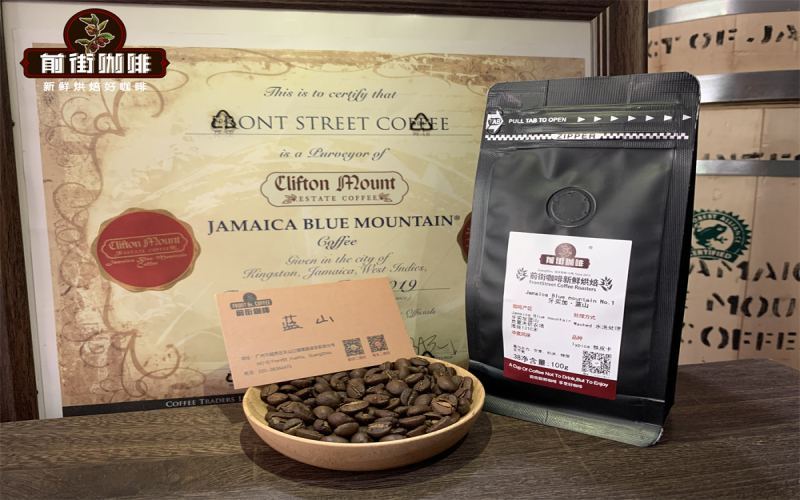
Jamaican Blue Mountain coffee is hailed as the king of coffees, and its homeland, Jamaica, boasts unique geographical conditions and a strict quality control system. This article begins with the cultivation history of Blue Mountain, sorts out the certification standards of the Coffee Industry Board, the three major production regions, and the six official marks, analyzes the grading rules and washed processing flow of Blue Mountain coffee, and introduces representative estates such as WALLENFORD, Mavis Bank, R.S.W., and Clifton Mount. At the end, it includes Front Street Coffee's brewing suggestions and methods for distinguishing genuine Blue Mountain from counterfeit, helping coffee lovers gain a comprehensive understanding of this classic coffee that combines a rich body with balanced flavor. [more…]
A Complete Guide to Jamaican Blue Mountain Coffee Beans: From History and Grading to Authenticity Verification and Front Street Brewing Tips
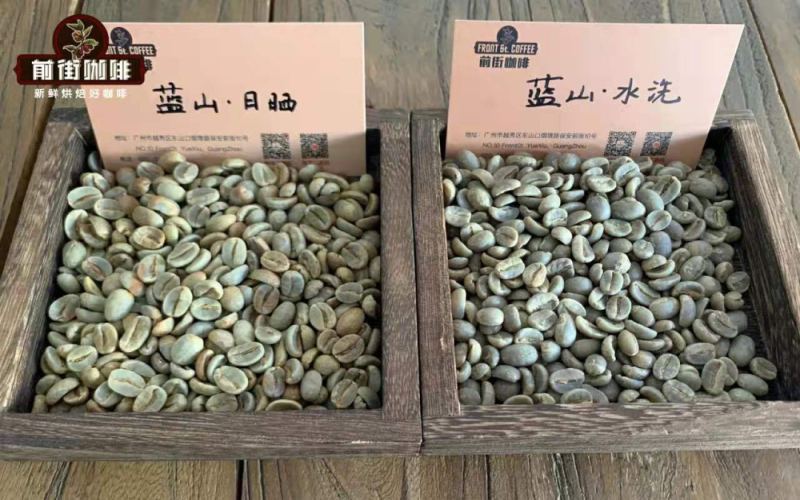
Blue Mountain coffee is hailed as the king of coffee, but do you really know it? From the perspective of Front Street Coffee, this article systematically reviews the cultivation history, geographical conditions, grading system, processing methods, and famous estates of Jamaican Blue Mountain coffee, and includes Front Street Coffee's brewing parameters and flavor description. At the same time, it teaches you how to distinguish authentic Blue Mountain No. 1 from Blue Mountain flavor blend beans on the market through four dimensions: appearance, feel when grinding beans, aroma, and taste. Whether you are a beginner enthusiast or a veteran gourmet in pursuit of the ultimate flavor, this content can help you understand Blue Mountain coffee more comprehensively and avoid common pitfalls in purchasing and tasting. [more…]
Guide to Authenticating Jamaican Blue Mountain Coffee: The Essential Difference Between Origin Blue Mountain and Blue Mountain Flavor Blends
Blue Mountain coffee is world-famous, yet the market is flooded with products bearing the words "Blue Mountain"—so which ones are truly authentic Jamaican Blue Mountain? This article begins with the historical origins, growing altitudes, varietal characteristics, processing methods, regional divisions, and grading standards of Blue Mountain coffee, systematically sorting out the certification system and flavor profile of authentic Front Street Blue Mountain coffee, and offering practical identification methods covering green bean appearance, grinding feel, aroma, and taste. It also clarifies the essential differences between "Blue Mountain flavor," "Blue Mountain blend," and genuine Blue Mountain coffee, helping coffee lovers avoid pitfalls when purchasing and enjoy a cup that truly lives up to its name. [more…]